
In industries such as food processing, cold storage, and logistics, working in low-temperature environments is part of daily operations. Whether it’s handling frozen goods or operating inside cold rooms, workers are constantly exposed to conditions that can affect both comfort and safety.
A common mistake many workplaces make is relying on ordinary gloves for protection. While they may seem sufficient, regular gloves are not designed to withstand extreme cold. As a result, workers may experience numbness, reduced grip, and a higher risk of accidents.
This is why proper cold-resistant hand protection is essential—not just for comfort, but for maintaining safety and productivity in cold environments.
Understanding Cold Work Environments
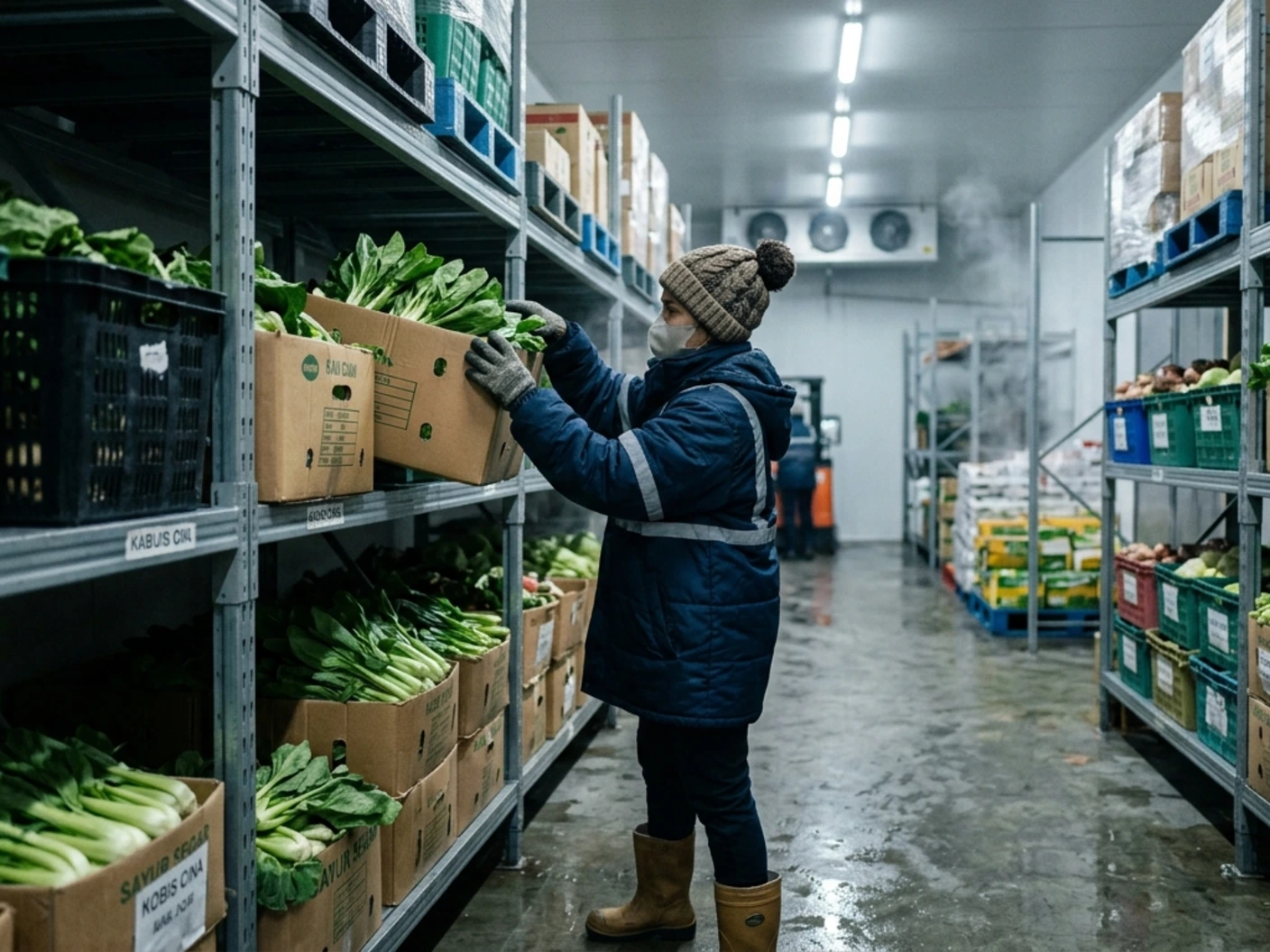
Cold work environments are more common than many realise. They can be found in cold storage warehouses, freezer rooms, food processing plants, and cold chain logistics operations. In these settings, temperatures can range from 0°C down to -20°C or lower.
Unlike brief exposure to outdoor cold weather, workers in these environments often spend long hours handling materials or performing repetitive tasks. This prolonged exposure increases the risk of cold-related issues.
In addition, moisture from condensation, ice, or frozen goods can worsen the situation. Cold and wet conditions together accelerate heat loss, especially from the hands.
Because of these factors, cold environments should always be treated as a serious workplace safety concern rather than just a matter of comfort.
How Cold Affects Your Hands
When exposed to cold temperatures, the body reduces blood flow to the extremities to conserve heat. This makes the hands particularly vulnerable.
Workers may begin to experience numbness, stiffness, and reduced sensitivity in their fingers. Tasks that require precision—such as gripping tools or handling products—become more difficult. Over time, this can slow down work and increase the likelihood of errors.
More importantly, reduced hand function can compromise safety. A weaker grip may lead to dropped items or mishandling of equipment. In more serious cases, prolonged exposure can lead to cold stress or frost-related injuries.
These risks highlight the importance of proper hand protection designed specifically for cold environments.
Why Ordinary Gloves Are Not Enough
At first glance, any glove may seem like it offers protection. However, not all gloves are designed for cold environments.
Common gloves such as cotton gloves, general-purpose safety gloves, or thin rubber and latex gloves are typically made for basic tasks. While they may protect against dirt or minor contact hazards, they do not provide the insulation needed for low temperatures.
In cold environments, these gloves allow heat to escape quickly, leaving hands exposed to the cold. Some materials may also become stiff, making it harder to move fingers naturally.
Grip is another major issue. In cold and slightly wet conditions, ordinary gloves often fail to provide sufficient traction. This increases the risk of slipping, dropping items, or losing control during handling.
Ultimately, using the wrong type of gloves can reduce both efficiency and safety in the workplace.

What to Look for in Cold Resistant Gloves
Choosing the right cold resistant gloves requires understanding the features that truly make a difference in harsh environments.
- First, thermal insulation is essential. Gloves designed for cold conditions are made with materials that help retain heat and protect hands from low temperatures.
- Second, cold resistance performance is important. Quality gloves are specifically engineered to perform in sub-zero environments, ensuring consistent protection even during prolonged use.
- Another key factor is grip performance. In cold storage settings, workers often handle frozen or slightly wet items. Gloves with enhanced grip coatings help maintain control and reduce the risk of slipping.
- Flexibility and comfort also play a major role. Gloves should allow natural hand movement without being too bulky, ensuring that workers can perform tasks efficiently.
- Finally, durability and compliance with safety standards are critical for industrial use. Reliable gloves should withstand demanding conditions while supporting workplace safety requirements.
By focusing on these features, businesses can ensure they are providing the right level of protection for their workforce.
The Solution: Safetyware FrostArmor Cold Resistant Gloves
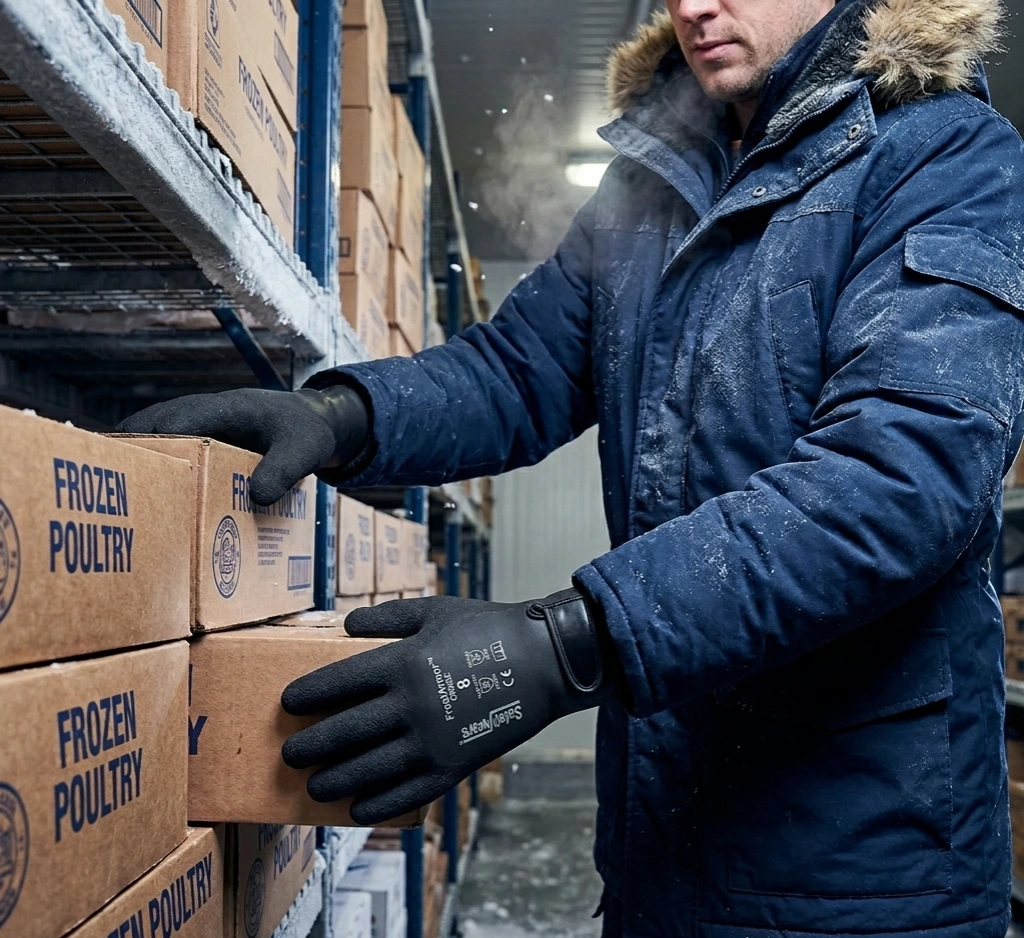
To address the challenges of cold environments, specialised gloves are required. The Safetyware FrostArmor Cold Resistant Gloves are designed to provide reliable protection in low-temperature working conditions.
With built-in thermal insulation, these gloves help maintain warmth even during prolonged exposure. At the same time, they are designed to offer good grip and flexibility, allowing workers to handle tasks with confidence and control.
Suitable for industries such as cold storage, food processing, and logistics, FrostArmor gloves are developed with real workplace demands in mind. Instead of compromising between comfort and safety, they provide a balanced solution that supports both.
Key Benefits of Using the Right Cold Resistant Gloves
Using the right gloves in cold environments goes beyond basic protection—it directly impacts overall workplace performance.
With proper cold resistant gloves, workers can maintain better hand warmth and comfort, reducing fatigue during long shifts. Improved grip and flexibility also enhance handling efficiency, allowing tasks to be completed more accurately and safely.
From a safety perspective, the right gloves help minimise the risk of accidents caused by numbness or poor grip. This contributes to a safer working environment and reduces potential downtime or injury-related costs.
For businesses, investing in appropriate hand protection also supports compliance with workplace safety standards, demonstrating a commitment to employee well-being.
Conclusion
Cold work environments present real challenges that should not be overlooked. From reduced hand function to increased safety risks, the effects of low temperatures can significantly impact workers.
Ordinary gloves are often not enough to provide the level of protection required. Without proper insulation, grip, and durability, they can fall short in demanding conditions.
By choosing the right cold resistant gloves, businesses can improve safety, maintain productivity, and better protect their workforce. Solutions like the Safetyware FrostArmor Cold Resistant Gloves offer a reliable way to meet these needs in cold environments.
Our latest content
Check out what's new in our company !